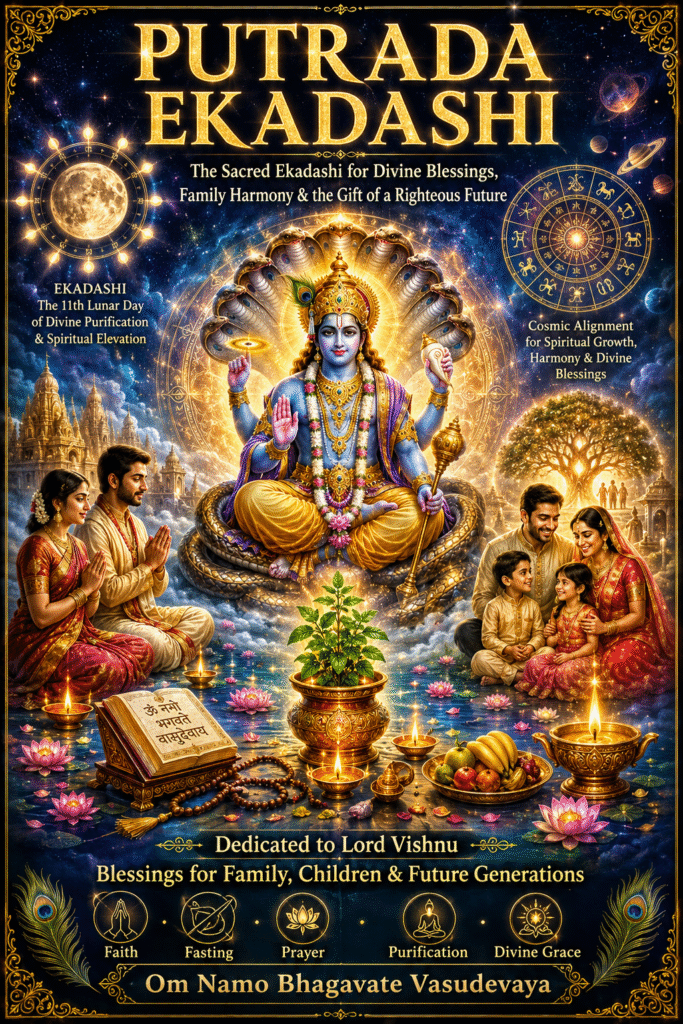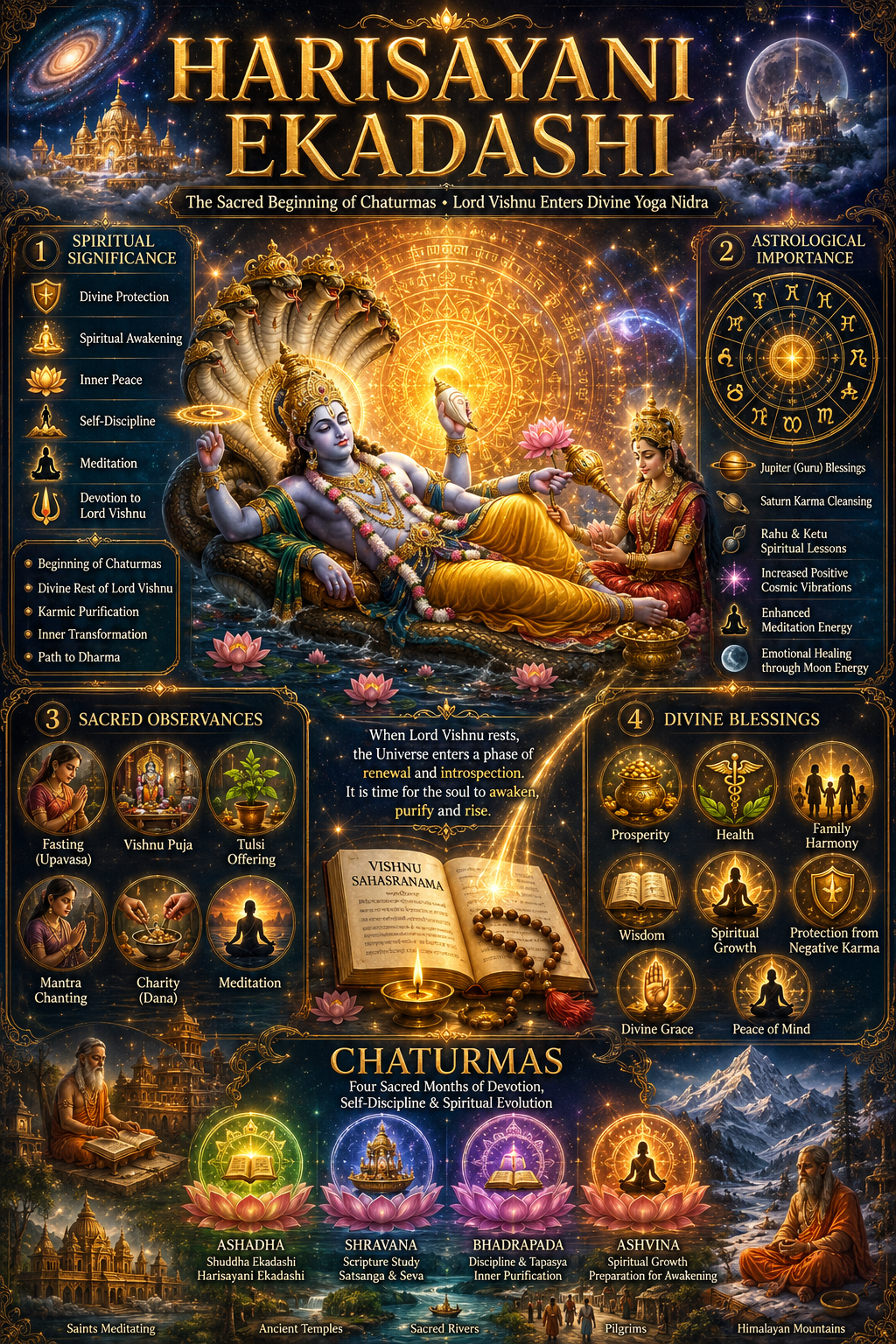
Harisayani Ekadashi—also called Dev Shayani Ekadashi, Ashadhi Ekadashi, or Padma Ekadashi—holds a special place on the Hindu calendar. It’s celebrated on the 11th day (Ekadashi) of the waxing moon in the month of Ashadha. More than just a date, this Ekadashi kicks off Chaturmas: a four-month stretch devoted to spiritual practice, deeper devotion, and self-discipline.
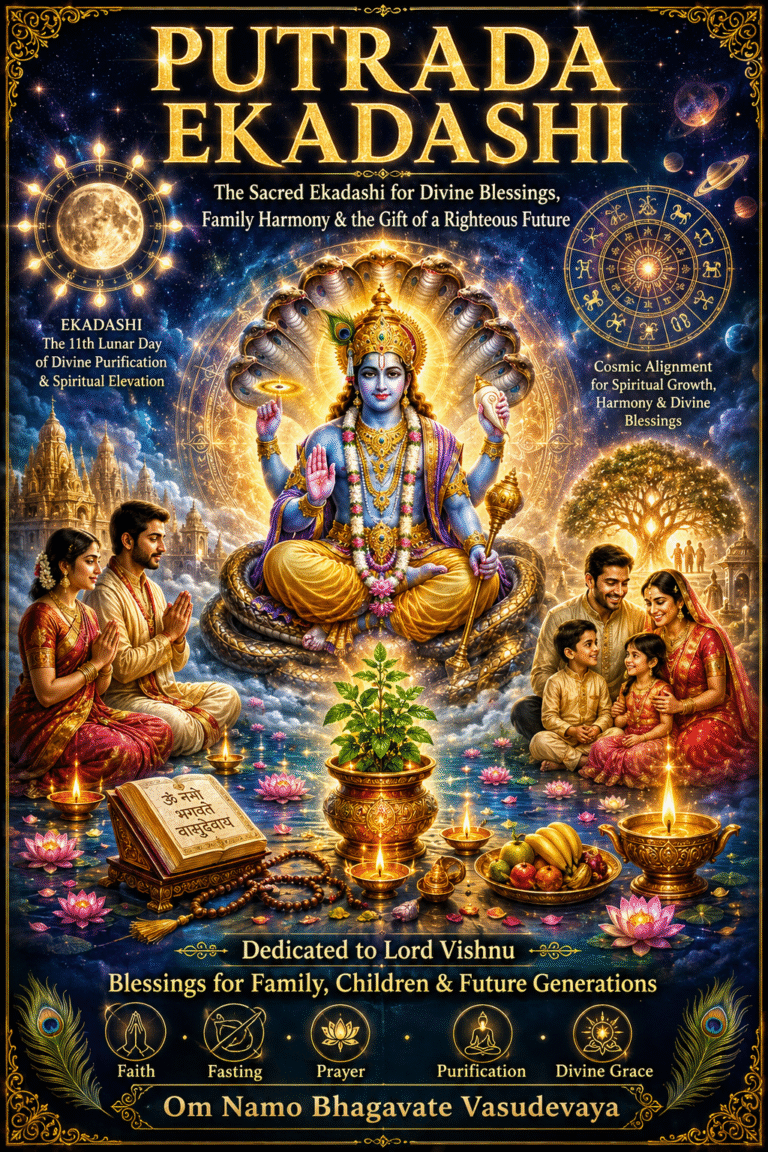
The old stories tell us that, on this day, Lord Vishnu slips into Yoga Nidra—or “cosmic sleep”—reclining upon the endless serpent Sheshanaga, floating on the celestial Ocean of Milk. It’s a vivid image, and during these four months, devotees across the world step things up—fasting, chanting, meditating, helping others, and letting go of what no longer serves them.
For anyone interested in spiritual life or astrology, Harisayani Ekadashi is way more than just ritual. It’s an invitation. This is the moment to turn inwards, shed distractions, and wake up something higher inside.
The Story Behind Harisayani Ekadashi
The Padma Purana and other ancient texts say that after keeping cosmic order in place, Vishnu goes into his mystical sleep on this day. Shiva watches over the world, while Vishnu’s divine energy keeps things protected—even when he isn’t “awake.” Four months later, on Prabodhini Ekadashi, Vishnu wakes, signaling the end of Chaturmas and the start of a new spiritual cycle.
Vishnu’s sleep isn’t about rest as people know it—it’s about deep meditation, balance, and renewal at a cosmic level.
Spiritual Significance
Harisayani Ekadashi reminds us that just as the universe renews itself, people should do the same. This day says, “Pause. Reflect. Reconnect.” You get a chance to clean up spiritually, gain mental discipline, steady your desires, and open your heart. People spend more time in meditation, show compassion, give more, and aim for emotional calm.
Fasting on this day isn’t about punishment. It helps cleanse old karmas and lift your spiritual energy.
Astrological Importance
From an astrology angle, Harisayani Ekadashi has a definite impact. During this time:
— Spiritual practices—like meditation and chanting—feel easier and go deeper.
— Fasting and devotion help clear out tough karmic patterns, especially those relating to Saturn, Rahu, and Ketu.
— Praying to Vishnu strengthens Jupiter’s blessings—think wisdom, prosperity, and good fortune.
— Devotional rituals in Chaturmas settle the Moon’s energy, leading to a calmer mind and steadier emotions.
— Overall, the day is great for letting go of fear, ego, attachment, and negativity.
Why Chaturmas Starts Now?
Chaturmas means “four sacred months.” This chunk of the year gets dedicated to spiritual discipline, studying scriptures, taking pilgrimages, helping others, eating simply (always vegetarian), and boosting your practice. Monks and teachers stay in one place to guide people. Householders make personal vows, cut out luxuries, and meditate daily— whatever brings them closer to their spiritual goals.
How to Observe Harisayani Ekadashi ?
If you want to join in, here’s what people usually do:
— Get up early, right before sunrise, bathe, and dress in clean clothes.
— Set up a simple altar to Vishnu with tulsi leaves, yellow flowers, sandalwood, incense, ghee lamps, fruits, and sweets.
— Chant mantras like “Om Namo Bhagavate Vasudevaya” or “Om Namo Narayanaya”—ideally 108 times or more.
— Fast, in whatever way suits your health or tradition: with no water, drinking water only, eating fruit, taking milk, or just skipping grains.
— Read the Vishnu Sahasranama (the thousand names of Vishnu).
— Give food, clothes, or money to those who need it.
The goal is to clear out anything that weighs you down—physically, mentally, or emotionally.
What Happens When You Observe Harisayani Ekadashi ?
Sincere observance brings a lot of benefits. Old karmas fade, negativity loses its grip, and people feel lighter, calmer, and healthier. Life opens up, and you find more peace, success, and harmony. Most of all, there’s a new closeness with the Divine.
What Does Lord Vishnu’s Sleep Really Mean?
Lord Vishnu’s cosmic sleep is full of meaning. It’s a reminder that stillness isn’t nothingness—it births wisdom. Pausing helps people change. Quiet is needed for growth. True strength isn’t external; it’s inner awareness. And every big transformation starts deep inside.
So, instead of seeing Vishnu’s sleep as inactivity, Vedic wisdom sees it as a time when everything—people included—regenerates, getting ready for something better.
Lessons for Modern Life
With so much noise and hurry in modern times, Harisayani Ekadashi gently nudges us to slow down, disconnect from needless distraction, and just breathe. It’s a call to rediscover gratitude, build willpower, trust something higher, and focus on being kind—to ourselves and others. Instead of chasing results, it’s okay to grow quietly inside.
At last Harisayani Ekadashi isn’t just a festival. It’s a marker—a quiet, sacred moment where inner work begins. While Vishnu rests, people wake up, no longer tangled in routine or restlessness. This Ekadashi, through faith, fasting, and devotion, opens a path to grace and inner peace. The next four months offer a gentle, powerful way to strengthen the mind, clean up the spirit, and walk a little closer to Dharma, with Vishnu’s quiet blessing at your back.