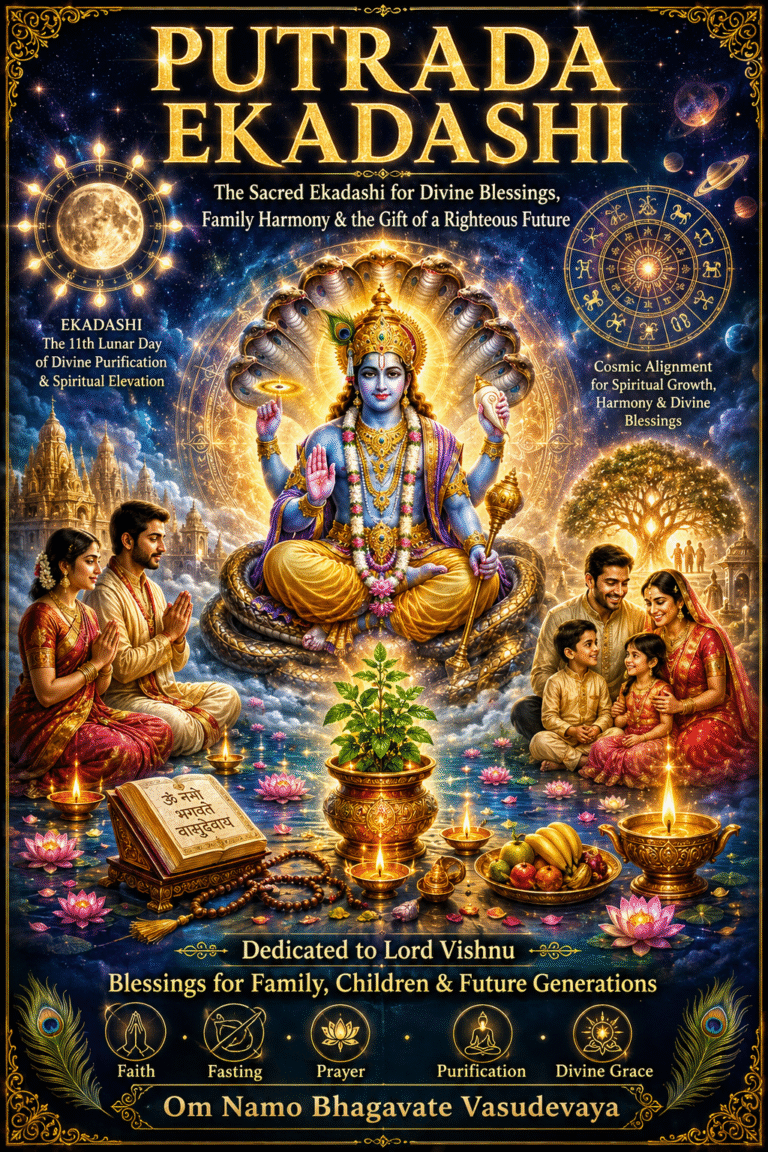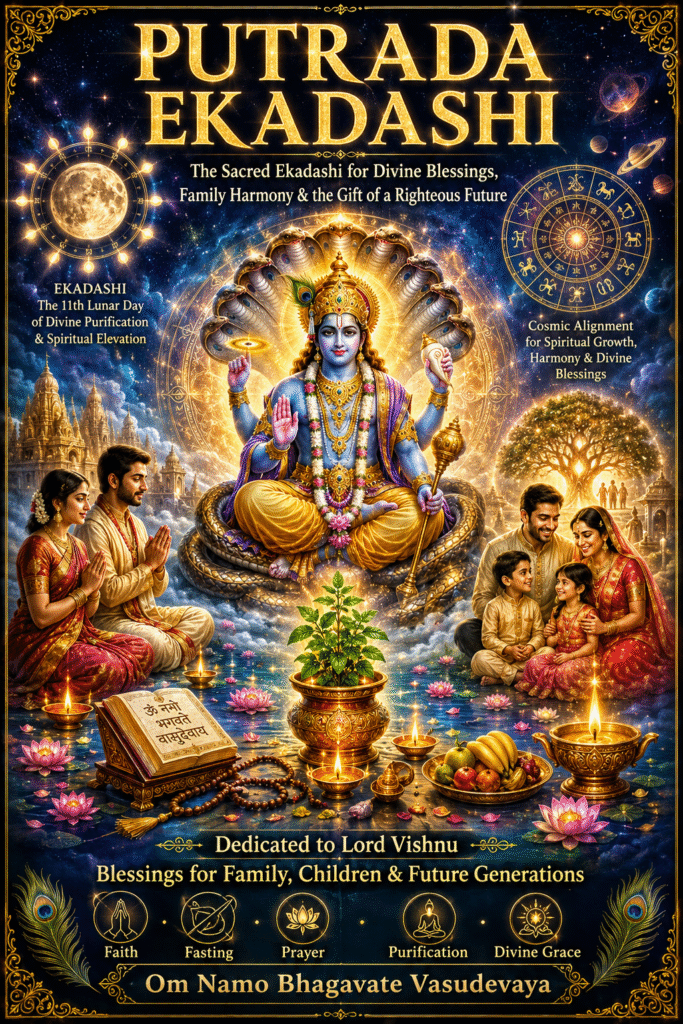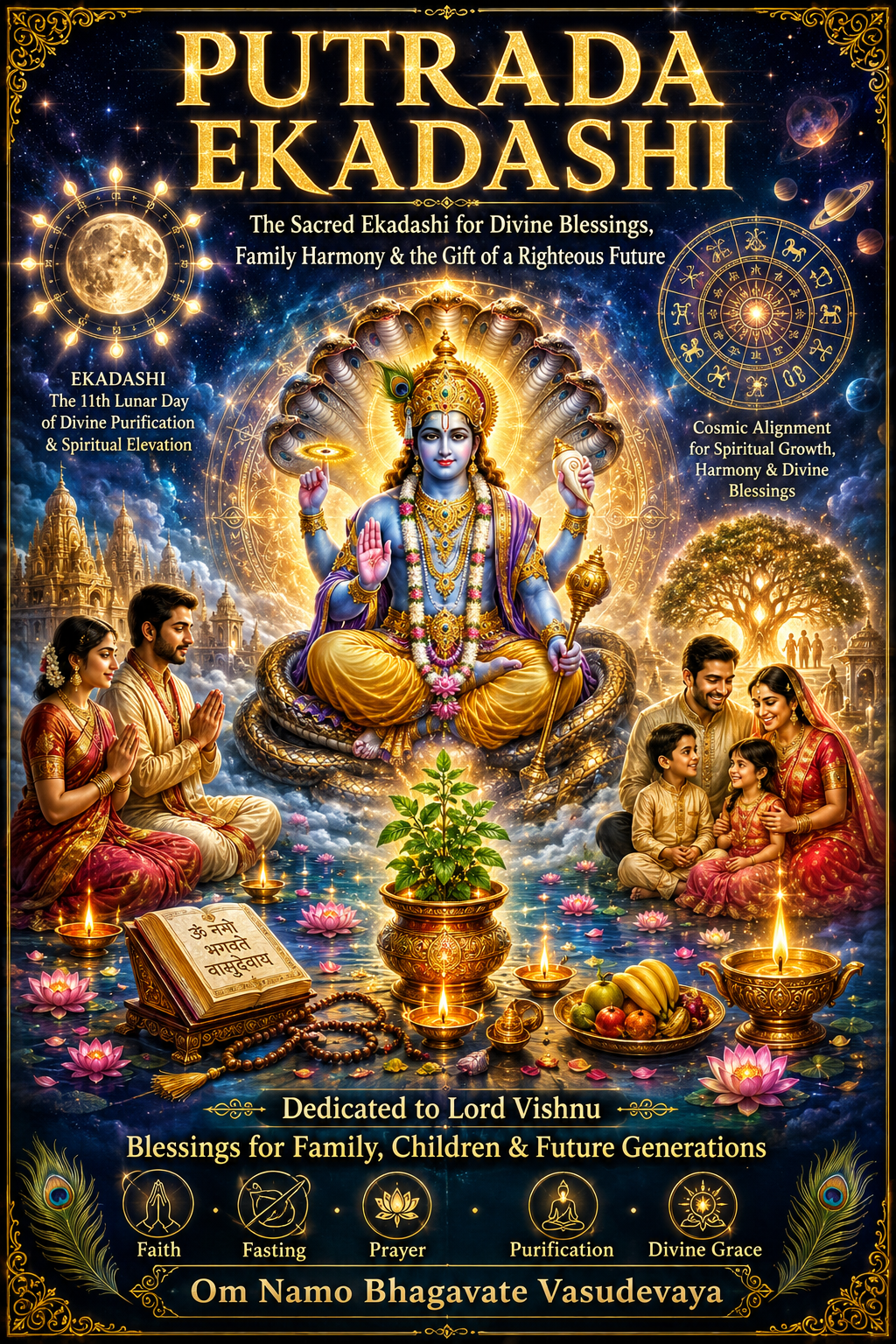
Putrada Ekadashi always stands out in the Hindu calendar as one of those days folks circle and really look forward to. The name itself means “giver of children,” so it’s especially important for married couples wishing for a child. But honestly, the day carries a whole lot more spiritual depth than just prayers for offspring.
The day is all about Lord Vishnu. Devotees spend time fasting, praying, and just surrendering themselves. Tradition says anyone who observes Putrada Ekadashi with real sincerity taps into blessings-family harmony, prosperity, spiritual grace, and, yep, sometimes a righteous lineage.
What’s Ekadashi?
In the Hindu lunar calendar, it’s the eleventh day of each fortnight. Putrada Ekadashi pops up twice a year-once in Pausha (Pausha Putrada Ekadashi) and again in Shravana (Shravana Putrada Ekadashi), both during the waxing moon. Both are tied to prayers for children and family happiness.
In Vedic philosophy, a child isn’t just an addition to the family. They’re about continuity, values, dharma-basically, a family’s future. So, Putrada Ekadashi goes deeper. The prayer isn’t only for a child’s birth; it’s about having a wise, healthy, and compassionate next generation.
Spiritually, the day is all about connecting with Lord Vishnu, who’s seen as the universe’s preserver. People pray for protection, prosperity, stability, and spiritual upliftment. Fasting isn’t just about cutting out food. It’s meant to quiet desires and help devotees focus their hearts and minds on the divine.
At its core, Putrada Ekadashi says: when faith, discipline, and devotion come together with good intentions, divine grace has a chance to shape your life. Couples ask for children, but others use the day to pray for family peace and the removal of obstacles.
The stories behind Putrada Ekadashi in Hindu scriptures usually feature rulers who have everything-wealth, power-but feel lost because they lack a child. One tale talks about a king, wealthy and powerful, yet hollow inside since he didn’t have an heir. He worried about his kingdom’s future, so he goes to a sage. The sage tells him to observe Putrada Ekadashi with faith and devotion to Vishnu. The king does just that, fasting and praying sincerely. Eventually, he receives the blessing of a worthy son from Lord Vishnu. And that’s the lesson: material stuff might be great, but real fulfillment comes from love, family, purpose, and divine grace.
Observing Putrada Ekadashi looks a bit different depending on family or region, but here’s how it generally goes:
Start with a bath and clean clothes. Meditation is encouraged, and folks make a little prayer corner with flowers, incense, a lamp, fruit, and other offerings.
Worship Lord Vishnu, or one of his forms-Krishna, Rama, Narayana. Tulsi leaves are especially popular; people offer them with deep respect.
Fasting is central. Some go all out with nirjala (no food or water), some stick to water, others have fruit (phalahar), and some keep it partial, eating light and simple. The point isn’t suffering-it’s sincerity. Those who are sick, pregnant, elderly, or advised not to fast usually stick to prayer and a simple sattvic (pure) diet.
Mantras are recited. The classics are “Om Namo Bhagavate Vasudevaya” and “Om Namo Narayanaya.” Repeating these brings peace and focus.
Reading or listening to Putrada Ekadashi the story keeps the spiritual vibe alive and reminds everyone of the power in faith and righteous action.
Charity matters, too. People donate food, clothes, or what they can. Prayer means little if kindness doesn’t show up in real life.
The most famous reason for Putrada Ekadashi is the idea that couples can pray for children, but honestly, it’s more mature to see it as a wish for family grace, health, and harmony. It’s not a magic fix-medically, people should seek help if they need it. But spiritually, the prayer can be for the wellbeing and wisdom of all children, not just for new ones.
From an astrology point of view, children and creativity sit in the Fifth House of a birth chart. Jupiter (Guru, Brihaspati) is the big planet of wisdom and blessings. The Moon relates to emotional health, and the Fifth House connects to education, past-life merits, mantras, joy. So, Putrada Ekadashi feels like a day to recharge your faith, karma, and intentions. Astrology might offer timing hints, but real life calls for patience, effort, and responsibility.
Tradition says observing Putrada Ekadashi brings blessings: children, family happiness, peace, and spiritual purification, and devotion, relief from bad habits, prosperity, and values for future generations. But honestly, the greatest gift is just taking a break, looking inward, and reconnecting with why we’re here.
“Putrada” isn’t only about children. Every one of us leaves a legacy. It might be in the form of family, knowledge, good deeds, service, creativity, teachings, and compassion-how we shape what comes after us. So the real question Putrada Ekadashi pushes us to ask is: what kind of future are we building? The true blessing isn’t just carrying a family name. It’s about passing on wisdom, kindness, and noble values.
A simple prayer for Putrada Ekadashi:
“O Lord Vishnu, please bless my family with peace, health, harmony, wisdom, and righteousness. Drive away negativity. Guide us toward dharma. Protect all children, fill their lives with knowledge and good character. Let your grace bring happiness and strength to every home.”
To wrap it up, Putrada Ekadashi is a beautiful moment of faith, family, hope, and grace. Yes, it’s special for couples praying for children, but its message is really for everyone. The future is sacred-whether its children, values, knowledge, or good deeds, these become our spiritual legacy. By honoring the day with sincerity, prayer, compassion, and discipline, we seek not just worldly blessings but a deeper connection with Vishnu and the eternal values of dharma.
May Putrada Ekadashi bring peace to your heart, harmony to your family, wisdom to your mind, and blessings for generations ahead.
Om Namo Bhagavate Vasudevaya.